Strategic Flow Teardown

Wiz AI-APP Launch — Audited.
Original post · wiz.io → Introducing Wiz AI Application Protection Platform (AI-APP) · March 23, 2026

Original article
W Wiz
Wiz AI-APP Platform

Introducing Wiz AI Application Protection Platform (AI-APP)

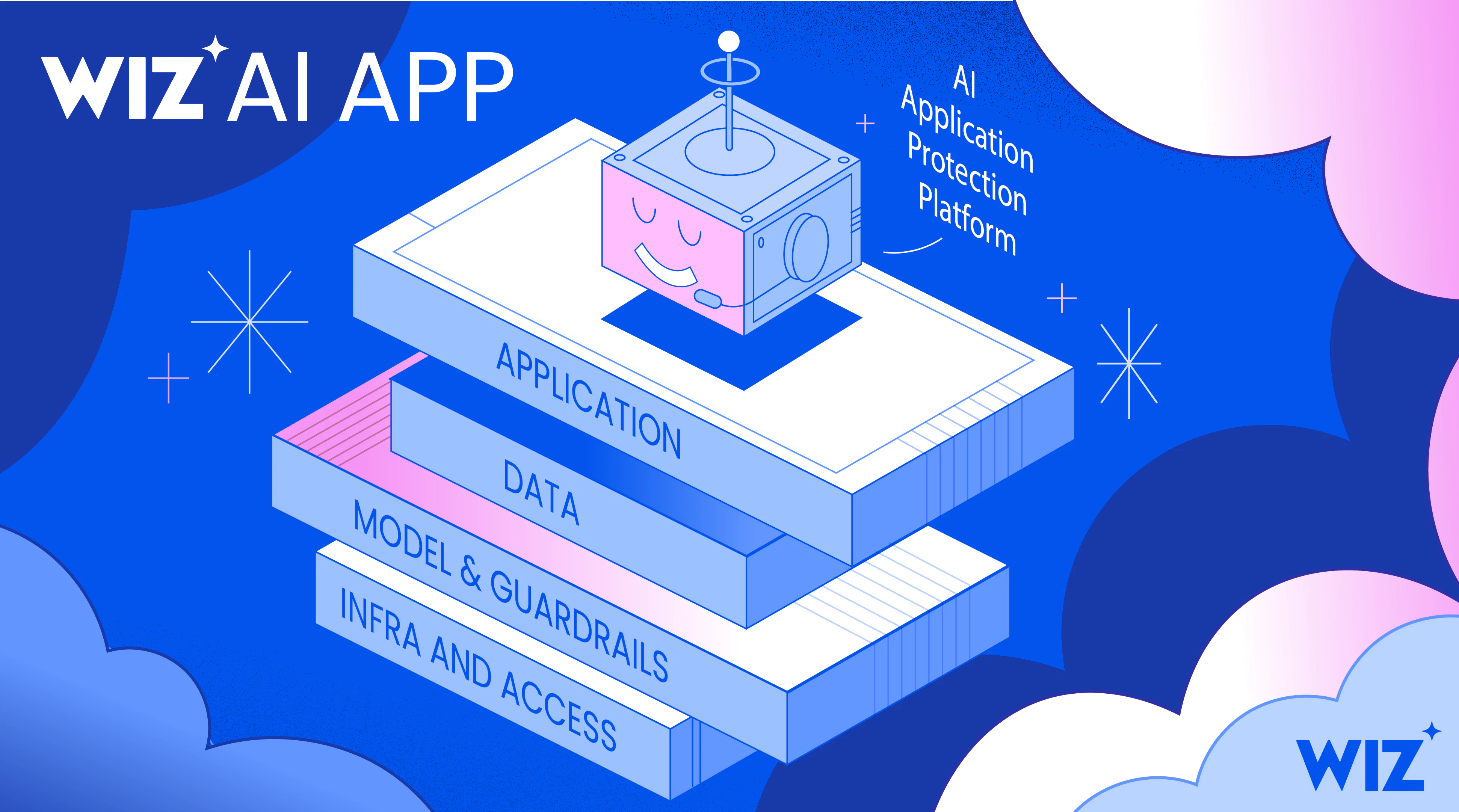
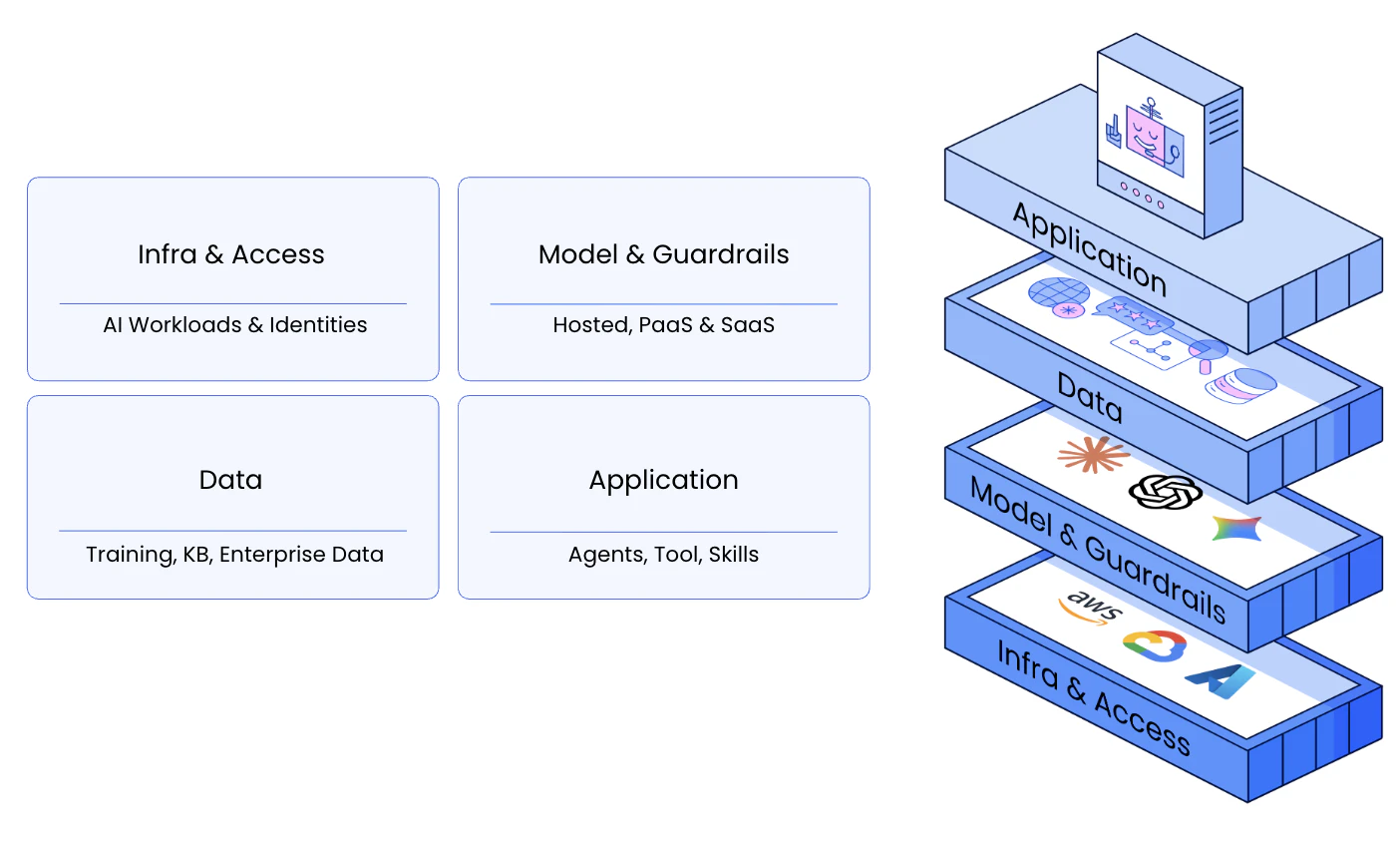
Secure every layer of AI applications — infrastructure, data, access, models, agents, and applications — from code to runtime, across every environment you build in.
Product LaunchAI SecurityCloud Security

AI hasn't just changed how we build — it has fundamentally changed how risk emerges. AI applications are dynamic, interconnected systems combining models, agents, tools, data, and infrastructure across code, cloud, and runtime. Most approaches still analyze infrastructure, identity, and applications in isolation — leaving teams without the context needed to identify real risk.

Today, we're introducing the Wiz AI Application Protection Platform (AI-APP) — designed to secure AI applications end-to-end, with the context needed to understand real risk and act on it.

The Context Gap in AI Security

Security teams are left trying to answer:
Where AI applications are running across my environment?
What are their capabilities — what can they actually do?
Which of these actually represent real, exploitable risk?
Can I detect and respond to threats in time?
AI Risk Issue on Security Graph
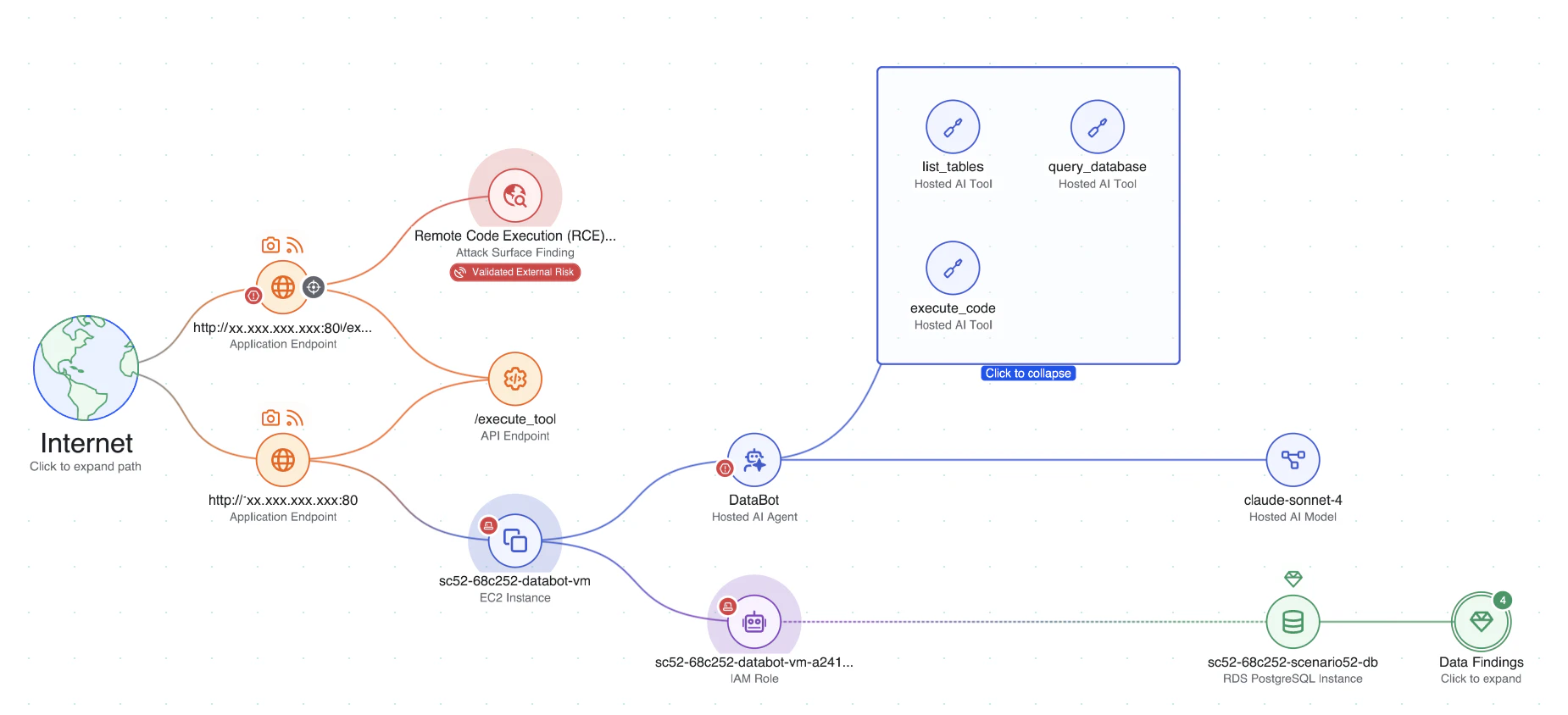
AI Risk Issue on Security Graph — Externally exposed agent with authentication bypass vulnerability exposing sensitive data

Consider a customer-facing AI chatbot connected to internal tools and data systems. An attacker discovers an authentication bypass vulnerability — a common issue in rapidly built, "vibe-coded" applications — and uses it to inject a prompt, manipulating the agent into taking unintended action.
AI attack path visualization

1. Visibility — Build a Complete AI Inventory
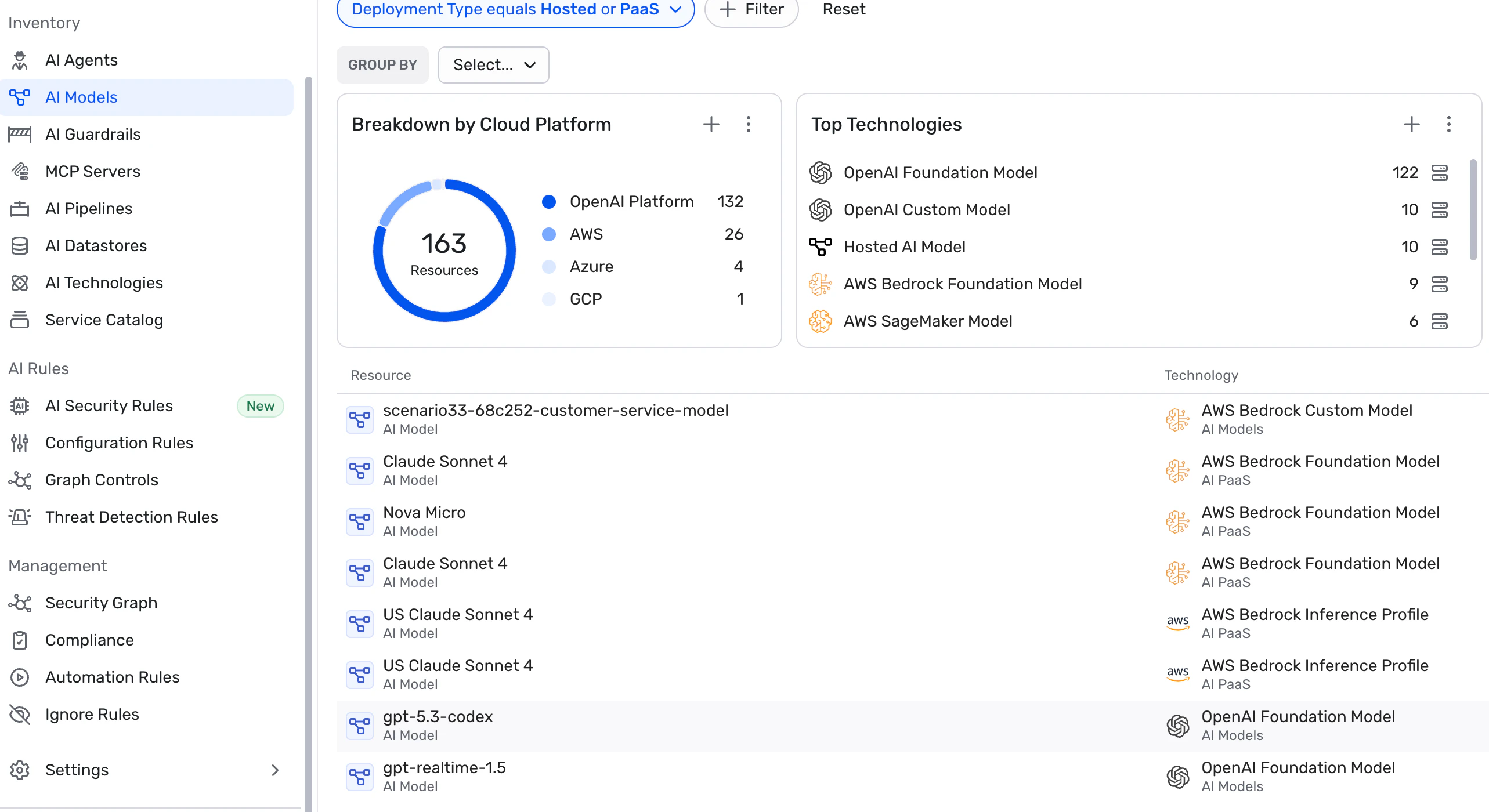
AI Inventory in Wiz
AI Inventory

Wiz builds a complete inventory of AI applications using multiple detection methods:
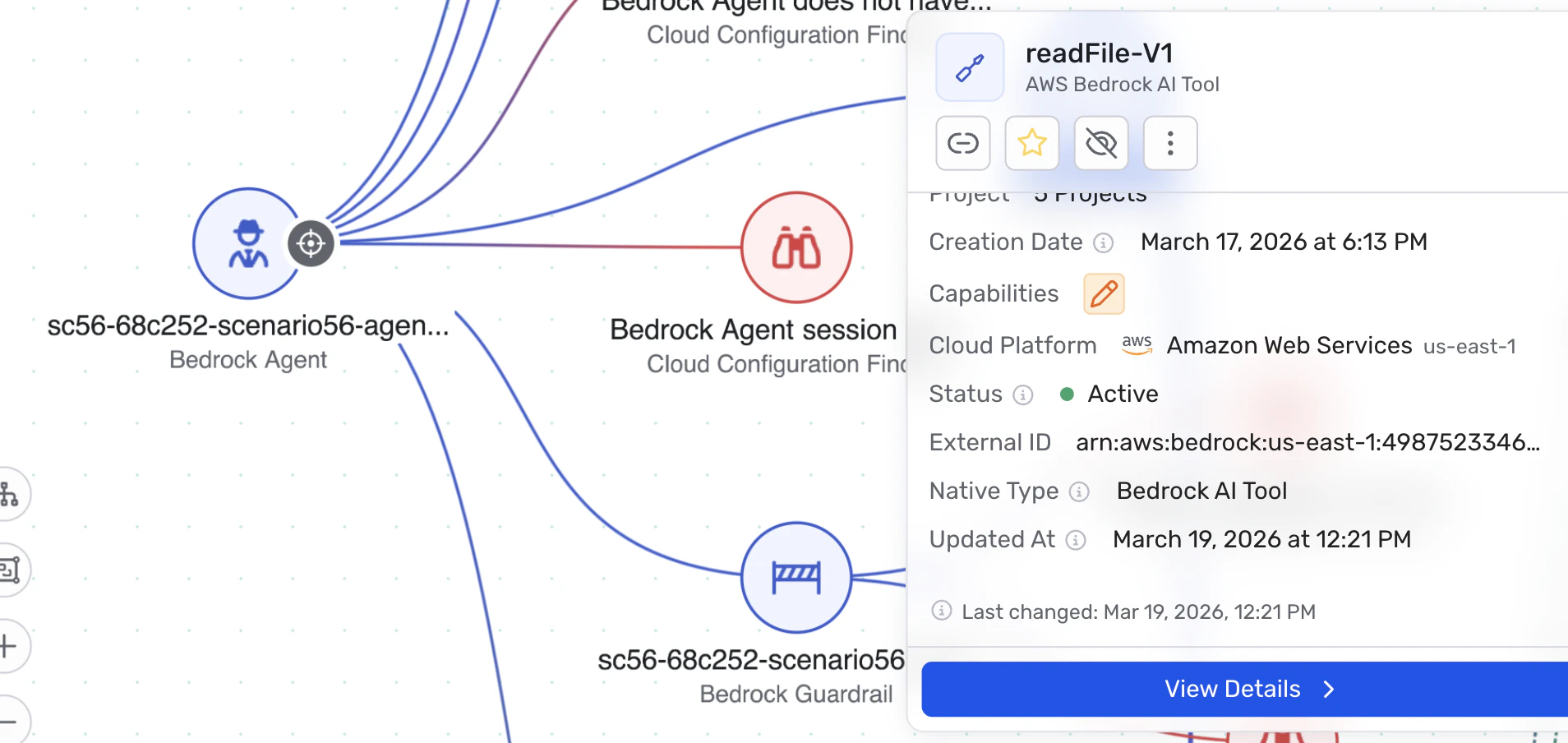
Managed platforms — deep integrations with AWS Bedrock, Azure AI, and Google Vertex AI
Agent hosted on AWS Bedrock
Agent hosted on AWS Bedrock & the tools it's connected to
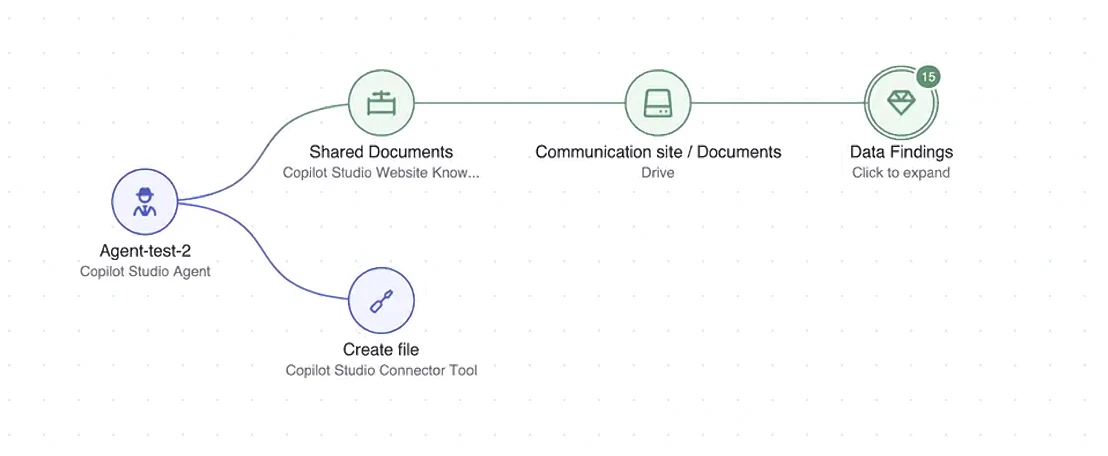
SaaS AI ecosystems — visibility into platforms like OpenAI and Microsoft Copilot Studio
Agent built in Copilot Studio
Agent built in Copilot Studio with access to sensitive data in SharePoint
Custom and self-hosted AI — code and workload analysis to identify frameworks, agents, and services
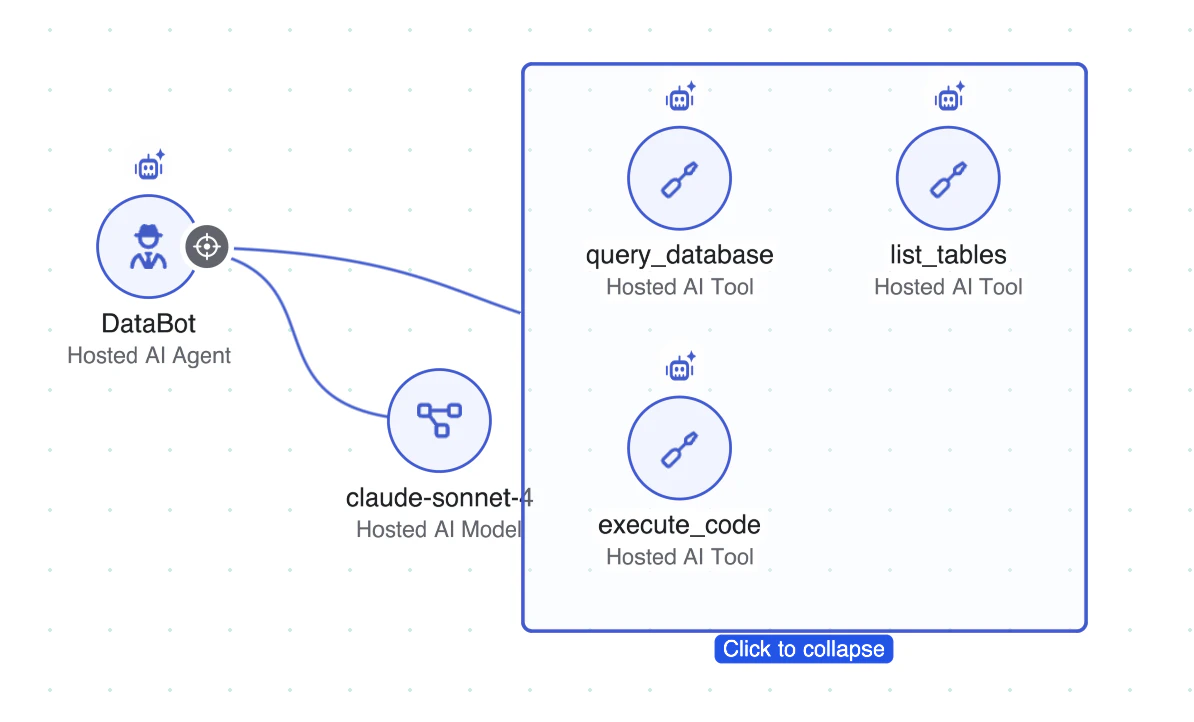
Custom hosted agent on Wiz Security Graph
Custom hosted agent on the Wiz Security Graph

2. Risk — Understand How Risk Emerges Across Layers
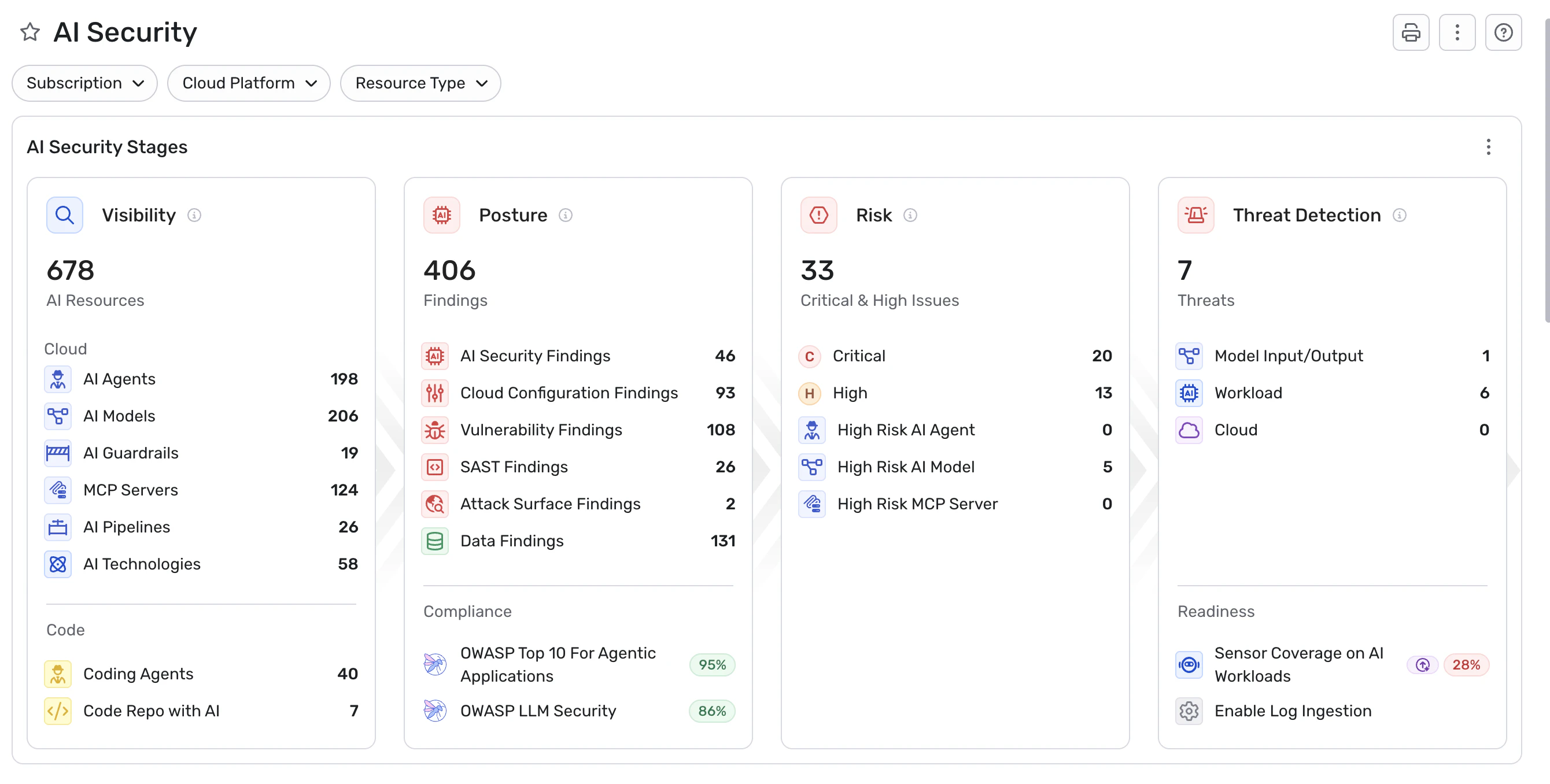
AI risk analysis in Wiz

AI risk doesn't live in a single layer. It emerges when systems interact — across models, agents, tools, infrastructure, and data. The platform brings together visibility, risk analysis, and runtime protection into a single, graph-powered platform.

⚠️
Hook leads with Wiz's perspective, not the reader's problem — "AI hasn't just changed how we build — it has fundamentally changed how risk emerges" is a vendor observation. The security engineer reading this knows AI risk is real. What they don't have is a way to answer the 4 questions Wiz buries in paragraph 3. Those 4 questions should be the opening sentence.
⚠️
"Today, we're introducing" opener loses the urgency — The real urgency isn't the product launch. It's the attack scenario: a customer-facing chatbot connected to production data, bypassed via a prompt injection, exfiltrating sensitive records while every individual action looks normal. That attack path scenario — currently buried mid-article — should be the hook.
⚠️
3 capabilities presented as equal weight — they aren't — Visibility, Risk, and Runtime Protection are the three pillars. But Visibility (inventory) is the foundation everything else depends on. Runtime Protection is where the purchase decision gets made. The email should sequence them as a narrative: you can't protect what you can't see → you can't prioritize what you can't contextualize → you can't respond to what you can't detect in real time.
⚠️
Attack path scenario is the strongest content — used as an example, not the lead — The chatbot/prompt injection/authentication bypass attack path is the most visceral, specific, and memorable thing in the article. It shows exactly how AI risk actually emerges. It's introduced as "Consider a customer-facing AI chatbot..." after two paragraphs of abstraction. This scenario should open the email.
⚠️
Two CTAs of equal weight create no decision — "Join our live webinar" and "Schedule a demo" appear side by side with no hierarchy. The reader doesn't know which action is the right next step based on where they are in the buying journey. The email should end with one primary CTA anchored to the urgency just created.
Strategic Flow — Rebuilt

Wiz AI-APP Launch — Rebuilt.

Newsletter rebuild · High-Impact tier · strategic-flow-pro.replit.app

Rebuilt newsletter
Conversion score
Original
3/10
Vendor perspective as hook. Attack scenario buried mid-article. Three pillars presented as flat list. Two equal-weight CTAs. Best content — the prompt injection attack path — used as an example, not the lead.
Rebuilt
9/10
Attack scenario as hook — most visceral content leads. 3 stat cards: 6 layers / 3 detection methods / 1 platform. 3 feature cards in narrative sequence: see → understand → detect. All real screenshots imported. Single CTA anchored to the threat.
3 A/B subject line variants
Attack scenario — prompt injection
Your AI agent just exfiltrated data. Every individual action looked normal.
Recreates the exact failure mode that makes AI security uniquely difficult — individual actions that are indistinguishable from legitimate behavior. Security leaders who have investigated AI incidents will recognize this immediately.
Predicted open rate: 40–46%
Context gap — isolated tools failing
Your infrastructure team, security team, and app team each saw something normal. Combined, it was a breach.
Names the organizational failure mode that AI-APP solves. CISO-level framing — the "three teams, three tickets, one breach" pattern is a known pain point for anyone managing cross-functional security.
Predicted open rate: 34–40%
Platform announcement — capability framing
Wiz AI-APP: the first platform to connect model, agent, and infrastructure risk into a single attack path.
Differentiator-first framing for readers who track platform launches. "Single attack path" is a specific, testable claim — not a category description. Works for analysts and security engineers comparing tools.
Predicted open rate: 28–34%
4-Week Content Calendar
Week 1 · Day 3
What is a context gap in AI security — and why isolated tools can't close it
Week 1 · Day 5
Prompt injection + authentication bypass: how vibe-coded apps create exploitable attack paths
Week 2 · Day 10
AI inventory: why you can't protect what you can't see across managed, SaaS, and custom AI
Week 2 · Day 12
How the Wiz Security Graph connects model, agent, and infrastructure risk into one attack path
Week 3 · Day 17
AWS Bedrock, Azure AI, Copilot Studio: where your AI agents are running and what they can access
Week 3 · Day 19
From CNAPP to AI-APP: how cloud-native protection evolves for AI-native applications
Week 4 · Day 24
Runtime protection for AI: detecting threats in real time vs. discovering them in incident reviews
Week 4 · Day 26
AI security at Google scale — what Wiz joining Google means for the AI-APP roadmap
Strategic Flow

The 5 Strategic Upgrades

What changed in the Wiz AI-APP rebuild — and why each change converts better

Subject line transformation
❌ Original
"Introducing Wiz AI Application Protection Platform (AI-APP)"
Feature name as subject. The security engineer reading this knows AI risk is growing. What they don't have is a way to see it. The announcement framing signals "press release" — not "this is the problem you have right now."
✓ Rebuilt
"Your AI agent just exfiltrated data. Every individual action looked normal."
The exact failure mode that makes AI security hard — individual actions that look legitimate, combined into an attack. Anyone who has investigated an AI incident, or fears they'd miss one, opens this immediately.
Upgrade 01
Attack scenario leads — not the platform announcement
The original opens with Wiz's observation about how AI has changed risk. The rebuild opens with the specific attack: chatbot + authentication bypass + prompt injection + data exfiltration — all looking normal in isolation. The reader sees the threat before they see the solution. This is the "problem felt" that makes the product feel necessary rather than interesting.
Upgrade 02
3 stat cards replace abstract capability claims
The original has no visual data elements — only prose describing the platform. The rebuild extracts 3 concrete numbers: 6 layers secured / 3 detection methods / 1 platform. Each number is a specific, verifiable claim. "6 layers" is more credible than "end-to-end protection." The reader understands the scope in 10 seconds before reading a word of body copy.
Upgrade 03
3 pillars sequenced as a narrative, not a flat list
The original presents Visibility, Risk, and Runtime Protection as three equal sections. The rebuild sequences them as a causal chain: see → understand → detect. "You can't protect what you can't see" → "you can't prioritize what you can't contextualize" → "you can't respond to what you can't detect in real time." Each section builds the case for the next. The purchase decision happens at section 3 because sections 1 and 2 made it inevitable.
Upgrade 04
All real screenshots imported and anchored to copy
The original drops screenshots without directing the reader's eye. The rebuild imports all 6 Wiz product screenshots with captions that name exactly what to look at — "externally exposed agent with authentication bypass," "agent on AWS Bedrock and the tools it's connected to," "complete AI inventory." Screenshots are evidence for the claim above them, not decoration.
Upgrade 05
Single CTA anchored to the threat created in the hook
The original ends with two equal-weight CTAs — webinar and demo — with no hierarchy. The rebuild ends with one CTA that recaps the argument: "If your AI applications are connected to production data, this is the platform that makes the attack path visible before it's a breach." The reader who opened because of the attack scenario is now told exactly what to do next to prevent it.

This is the Strategic Flow Method

The attack scenario as hook — not the product announcement. Stat cards make the scope concrete before body copy. Causal narrative sequence instead of flat feature list. All real product screenshots imported and anchored. Single CTA = the direct consequence of reading.

strategicflow.carrd.co →