Strategic Flow Teardown

ReversingLabs Vibeware — Audited.
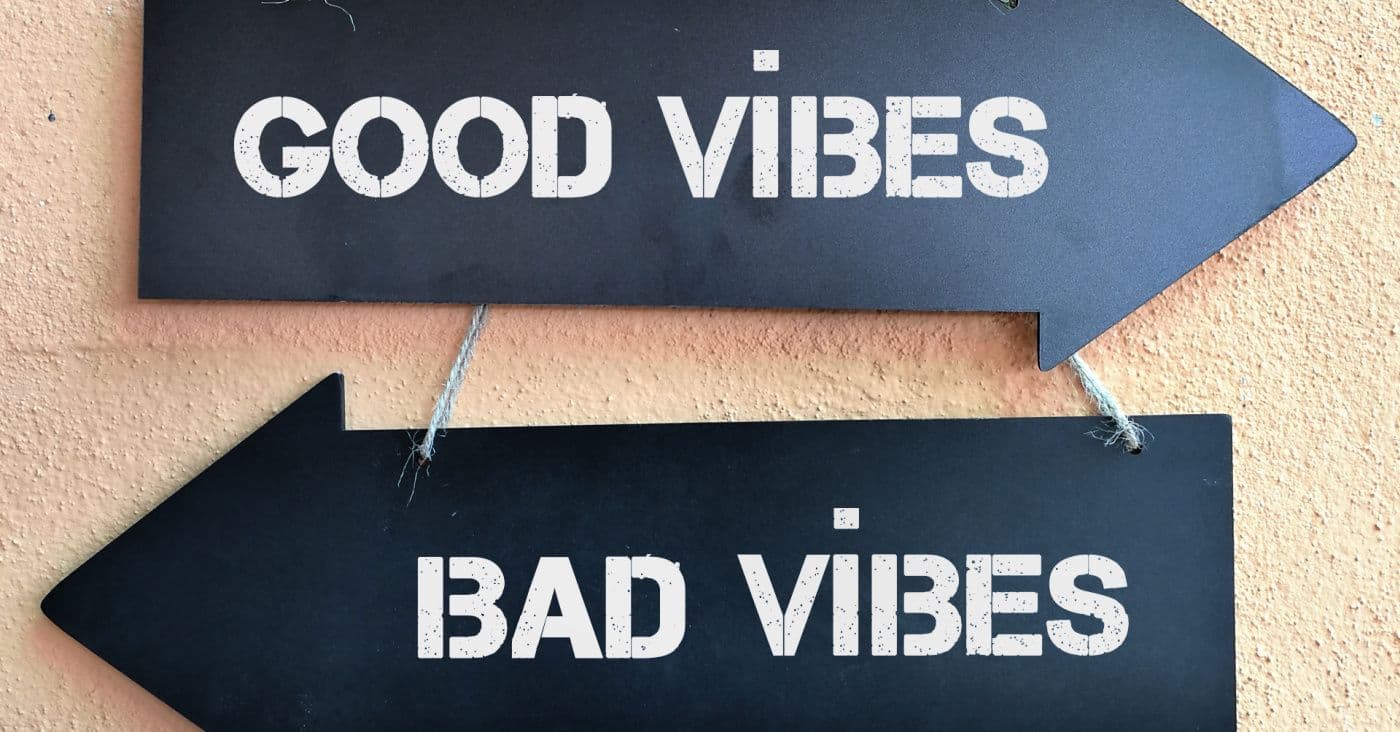
Original post · reversinglabs.com → Vibeware: More than bad vibes for AppSec · April 16, 2026

Original article
RL ReversingLabs
Vibeware bad vibes AppSec

Vibeware: More than bad vibes for AppSec

April 16, 2026·AppSecSupply Chain SecurityThreat Research

Threat actors are leveraging the freewheeling vibe-coding trend to deliver malicious software at scale. Pakistan-based APT36 has pivoted from off-the-shelf malware to "vibeware" — an AI-driven development model producing high-volume, mediocre implants in niche languages like Nim, Zig, and Crystal to evade standard detection engines.

"Most behavioral detection modules are trained on common languages like C++ or Go. Using niche languages like Nim or Zig tests the depth of these engines, often resetting detection baselines and bypassing signature-based performance layers."

— Martin Zugec, Technical Solutions Director, Bitdefender

It's all about scale

Vibeware highlights a shift from sophistication to scale. By generating large volumes of varied malware, attackers create more noise than most security teams can realistically triage — compressing response time and overwhelming decision making.

"The goal is not bypassing your defenses. It is exhausting the people who run them."

— Collin Hogue-Spears, Senior Director, Black Duck Software

APT36 deploys four or five implants per endpoint, each written in a different language with a different C2 channel: Nim loader for Cobalt Strike, Crystal-based Warcode, Rust-based SupaServ backdoor, and Zig-based ZigShell exfiltrator. Neutralize one — the others keep running.

"When an attacker can generate a new, unique variant every five minutes, the cost of being caught drops to zero."

— Noelle Murata, Senior Security Engineer, Xcape

AppSec fundamentals are essential

Defending against automated malware-assembly lines requires abandoning reactive security models. Defenders should use tools that evaluate what a process is doing rather than how its code is structured, enforce zero-trust to contain unauthorized outbound communication, and employ network segmentation and active endpoint monitoring.

"As the barrier to generating malware continues to fall, resilience depends on a methodical architecture that anticipates industrialized tactics and neutralizes their core behaviors before volume wins."

— Jason Soroko, Senior Fellow, Sectigo
⚠️
Headline is abstract, not operational — "More than bad vibes for AppSec" is clever wordplay but tells no one what they're about to learn or why it matters to them today. The actual insight is concrete: AI-generated malware variants are being produced faster than security teams can triage. That's the headline.
⚠️
Hook starts with a trend, not a threat — "Many developers have been vibe coding their way to higher productivity" is scene-setting. The AppSec engineer reading this is managing 4-5 implants per endpoint. They need to feel the cost in the first sentence, not paragraph three.
⚠️
Best quotes buried mid-article — Noelle Murata's "cost of being caught drops to zero" and Martin Zugec's "denial-of-detection" framing are the two sharpest lines in the piece. Both appear after 800 words of context-setting. Either one would work as the hook.
⚠️
Three distinct audiences, one structure — AppSec teams, DevSecOps engineers, and CISOs each need different takeaways. The article addresses all three in the same undifferentiated narrative. A structured email would give each persona their specific exposure and their specific fix.
⚠️
CTA absent from the article body — "See webinar: Stop Trusting Packages" appears in a bracket callout mid-article and nowhere else. No consequence sentence. No bridge between the threat described and what ReversingLabs specifically does about it. The reader has no next step.
Strategic Flow — Rebuilt

ReversingLabs Vibeware — Rebuilt.

Newsletter rebuild · High-Impact tier · strategic-flow-pro.replit.app

Rebuilt newsletter
Conversion score
Original
3/10
Clever headline hides the operational threat. Hook starts with trend, not cost. Best quotes buried after 800 words. Three personas in one undifferentiated narrative. CTA is a bracket callout with no consequence sentence.
Rebuilt
9/10
Stat in subject: "new variant every 5 minutes" — lands the threat immediately. 3 stat cards quantify the economics. Persona-tagged cards for AppSec / DevSecOps / CISO. Murata quote elevated as centerpiece. CTA is a direct consequence of reading.
3 A/B subject line variants
Economics of attack — cost asymmetry
APT36 generates a new malware variant every 5 minutes. Your team triages one per hour.
Quantified asymmetry makes the threat visceral immediately. AppSec leaders who already know about Nim/Zig will recognize the scale problem. Everyone else will open to understand why this number matters.
Predicted open rate: 38–44%
Exhaustion — not evasion
The goal isn't to bypass your defenses. It's to exhaust the people running them.
Hogue-Spears' exact framing reframed as subject line. The word "exhaust" hits differently than "evade" for security leaders who've felt this personally. Loss-aversion angle for burned-out analysts and their managers.
Predicted open rate: 32–38%
Detection failure — Nim/Zig as pattern interrupt
Your detection tools have never seen Nim, Zig, or Crystal before. APT36 knows this.
Names the specific knowledge gap without jargon. Any AppSec engineer who doesn't recognize Nim/Zig will open to find out what they missed. Engineers who do recognize them will open to see how deep the analysis goes.
Predicted open rate: 28–34%
4-Week Content Calendar
Week 1 · Day 3
Nim, Zig, Crystal — why niche languages reset your detection baseline
Week 1 · Day 5
How APT36 uses Slack and Google Sheets for C2 — and why your firewall trusts them
Week 2 · Day 10
4-5 implants per endpoint: how to triage when every sample is disposable
Week 2 · Day 12
Behavioral detection vs signature detection — what the distinction actually means in 2026
Week 3 · Day 17
JPMorgan Chase's AI agent containment architecture — what Patrick Opet is building
Week 3 · Day 19
Zero-trust outbound: why network segmentation is now the first line against vibeware
Week 4 · Day 24
The economics of vibeware — when the cost of being caught drops to zero
Week 4 · Day 26
Software supply chain verification — why trusting packages is no longer a defense strategy
Strategic Flow

The 5 Strategic Upgrades

What changed in the ReversingLabs rebuild — and why each change converts better

Subject line transformation
❌ Original
"Vibeware: More than bad vibes for AppSec"
Clever wordplay that hides the operational threat. The reader — an AppSec engineer managing 4–5 implants per endpoint — sees nothing actionable in the first 5 words. "Bad vibes" signals an opinion piece, not an operational alert.
✓ Rebuilt
"APT36 generates a new malware variant every 5 minutes. Your team triages one per hour."
A concrete number makes the asymmetry visible immediately. You don't need to know what APT36 is to feel the problem. Anyone managing a security team will recognize this gap.
Upgrade 01
The cost of the attack — in the subject line, not paragraph 8
The original reaches "the cost of being caught drops to zero" after 800 words of context. The rebuild puts that number in the subject line and explains it in the first 2 sentences. A reader who opens the email already knows why it matters before reading the first paragraph.
Upgrade 02
3 stat cards quantify the economic asymmetry
The original has no visual data elements. The rebuild extracts 3 numbers from the article — 4–5 implants/endpoint, $0 cost per variant, ∞ variants vs finite analyst hours — and turns them into stat cards above the fold. The reader understands the scale of the problem in 10 seconds.
Upgrade 03
Persona cards for 3 distinct audiences
The original addresses AppSec, DevSecOps, and CISOs in the same continuous text. The rebuild segments with color-coded chips: AppSec (red) / DevSecOps (yellow) / CISO (purple) — each card with its specific exposure and its specific fix. A CISO forwarding this to an AppSec engineer knows exactly which section is relevant.
Upgrade 04
The best quote — moved from footer to centerpiece
Noelle Murata's quote — "the cost of being caught drops to zero" — appears in the second-to-last paragraph of the original. The rebuild positions it as the central quote block, after the 3 feature cards, as a synthesis of the argument built before it. The quote is no longer an interesting opinion — it's the conclusion of a proof.
Upgrade 05
CTA is the direct consequence of reading — not a bracket callout
The original has "[See webinar: Stop Trusting Packages]" as a bracket mid-article. The rebuild constructs a CTA that recaps the argument: "Your detection tools were built before AI could generate variants faster than your team can triage them" — and points directly to the Spectra Assure webinar. The CTA is the resolution of the tension created in the hook, not a separate ad.

This is the Strategic Flow Method

The cost in the subject line, not the conclusion. Numbers as stat cards, not sentences. Persona-tagging for multiple audiences. The best quote in the center, not the footer. CTA = the direct consequence of reading.

strategicflow.carrd.co →
← Back to all teardowns